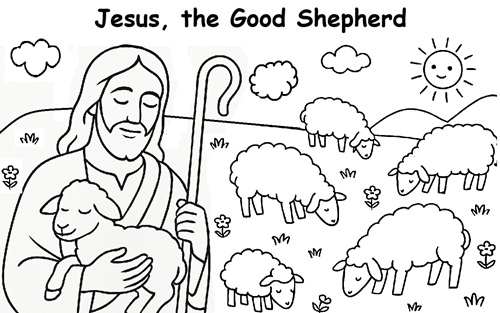
We believe that after the Flood, everyone knew God's truth but fell away. Then, after Babel, people spread out and retold the ancient stories, gradually distorting them over time. They knew Jesus Christ was on the way to rescue His bride, the church, God's people. Sleeping Beauty is that prophecy in distorted form. The prince awakens his bride-to-be. In Cinderella, he searches for her. These are distortions of the prophecy retold again and again.
Snow White is the same myth. Consider these details:
Snow White is rescued by a hunter who kills an animal in her place: the church cleansed white by the blood of Christ becomes His bride.
Evil Queen: Satan or the Antichrist
Seven Dwarfs: Seven Spirits from Isaiah 11?
Poisoned Apple: Adam's apple?
The Castle in the air: is heaven or the New Jerusalem (of course this only appears in the Disney version from 1937, not the ancient tale, but where did they get the idea?)
The Prince is the Christ figure surely
Even if we are wrong about this, and we may be, the truth is the truth no matter who tells it. We relate each fable to Biblical truth regardless of the source.
In John 11:49-52 we have an example of a villain speaking the truth:
"But one of them, named Caiaphas, who was high priest that year, said to them, 'You know nothing at all! You do not realize that it is better for you that one man die for the people than that the whole nation perish.' Caiaphas did not say this on his own. Instead, as high priest that year, he was prophesying that Jesus would die for the nation, and not only for the nation, but also for the scattered children of God, to gather them together into one." (BSB)
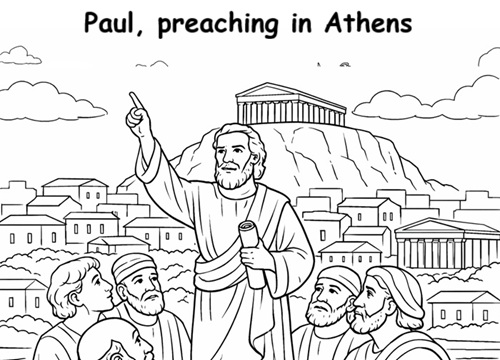
The Apostle Paul used pagans as extrabiblical sources to support the truth. Sprinkled throughout his letters in the New Testament are quotes and allusions to ancient writings by pagans.
Why can't we follow his example?
We can as long as it is based on the truth.
The Apostle Paul, who was classically educated, sometimes included the language of Greek poets and philosophers.
Examples:
1 Corinthians 15:33 quotes the play Thais written by Meander (c. 342-290 BC)
Titus 1:12 is a quote from Cretica by Epimenides (c 500 BC)
Paul speaking in Acts 17:28 quotes Phaenomena by Aratus (c 310-240 BC)
Romans 2:15 appears to be an allusion to the Stoic philosophers' works.
The lists of virtues in Galatians 5 and Philippians 4 appear to use the same rhetorical format as the Hellenistic moral philosophers.
Perhaps he did this to make the Gospel he was preaching more acceptable to his Greek audience?
1 Corinthians 9:22 "I have become all things to all people, so that by all possible means I might save some." (BSB)
ARTICLES SUPPORTING THESE IDEAS:
Bible Hub – Why do many biblical stories resemble earlier myths?
Do Pagan Myths Point to the Truth of the Bible?
C.S. Lewis and the Myth That Became Fact (PDF)
The Hero with a Thousand Faces
ARTICLES AROUND THE SAME GENERAL TOPIC:
Is Genesis 1–11 a Derivation from Ancient Myths?
Creation, Flood, and Language Legends
Did the Bible borrow from ancient myths?
From Achilles to Christ: Why Christians Should Read the Pagan Classics